
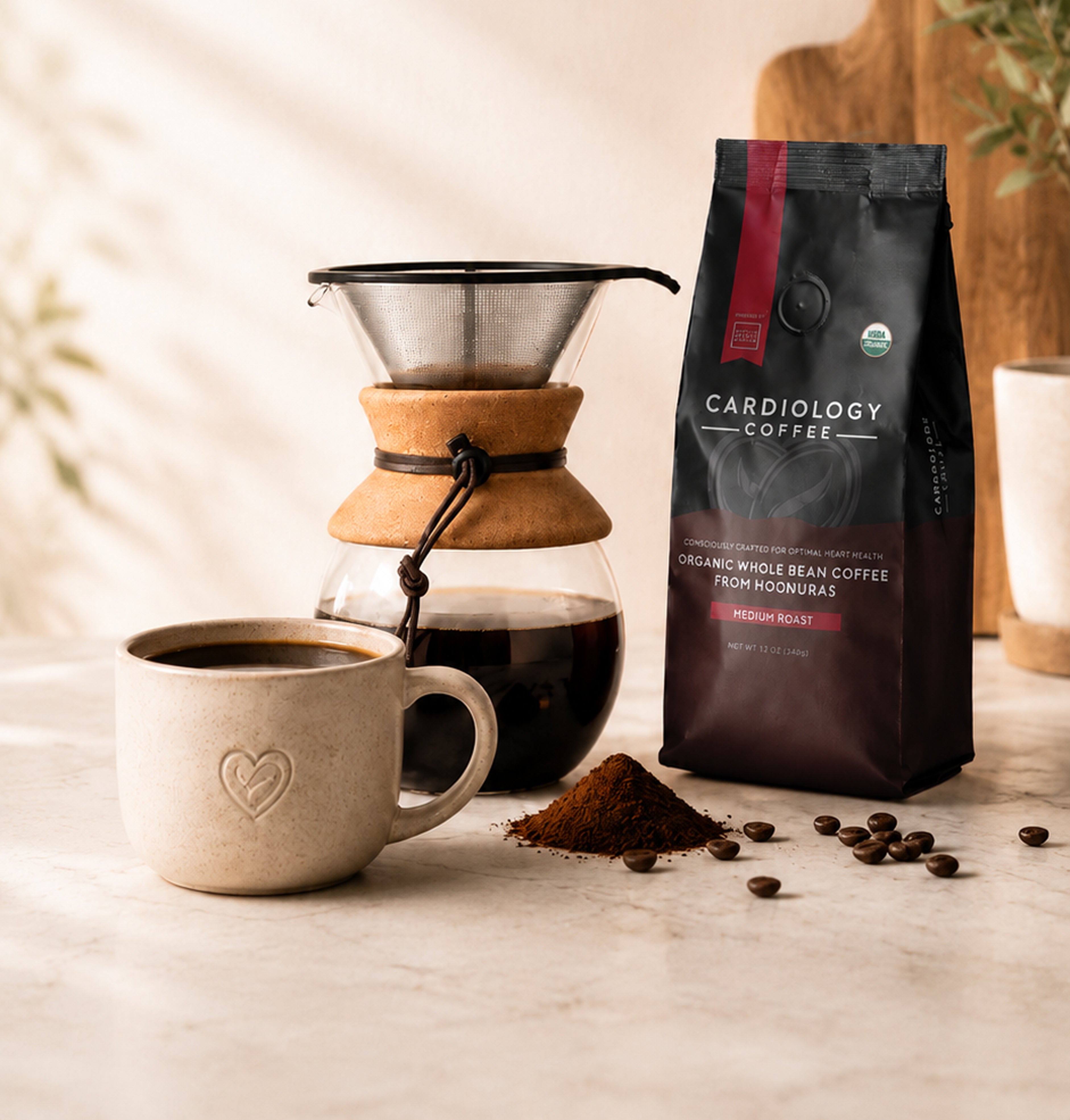

Why Dr. Jack Prefers Pour-Over
Pour-over coffee gives you control.
You control the grind.
You control the water temperature.
You control the pour.
You control the brew time.
Most automatic coffee makers make those decisions for you. Many also run hot water through plastic parts before that water ever touches your coffee.
Dr. Jack’s method keeps things simple: glass, stainless steel, filtered water, fresh grounds, and a slow pour.
The result is a cup that tastes cleaner, smoother, and more intentional.
Dr. Jack’s Recommended Brewing Setup
You do not need a complicated coffee machine to make an excellent cup of Cardiology Coffee.
You just need the right tools.
-

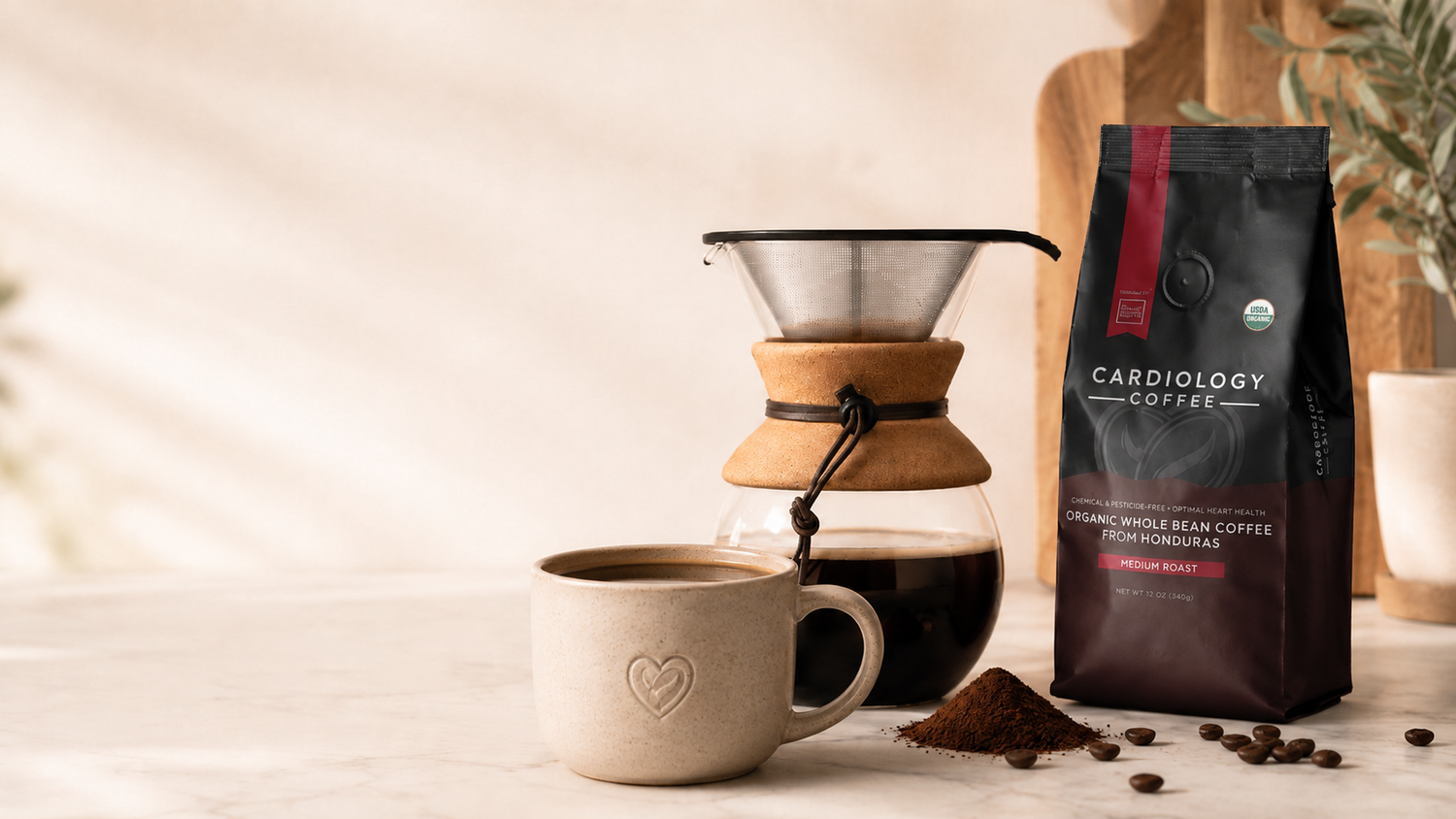
Glass Carafe with Metal Filter
Our Recommended CarafeA glass carafe and stainless steel filter help keep your coffee away from plastic while creating a rich, full-bodied cup.
The metal filter allows more of the natural coffee oils to pass through, giving your coffee a smoother mouthfeel and deeper flavor.
-

Unbleached Paper Filters
Our Recommended FiltersDr. Jack recommends placing an unbleached paper filter inside the metal filter for an extra layer of filtration.
Rinse the filter with hot water before brewing to remove any paper taste and warm the carafe.
-

Burr Coffee Grinder
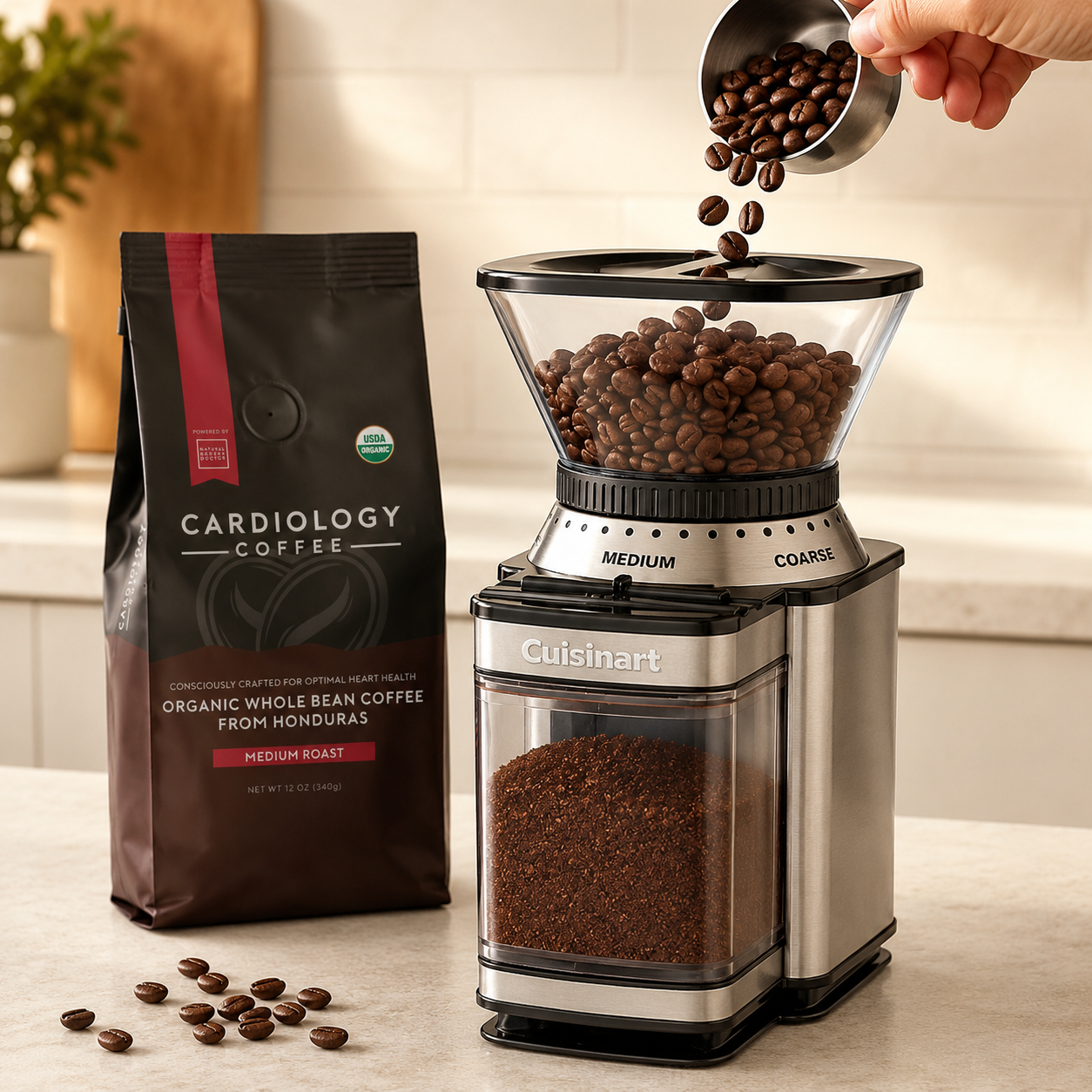
Our Recommended GrinderFresh grinding makes a major difference. A burr grinder is preferred because it crushes coffee beans into a consistent grind size, which helps the water extract flavor evenly and produces a smoother, richer cup than a blade grinder.
Once coffee is ground, it begins losing aroma and flavor. Grinding your beans right before brewing helps preserve the rich taste and fresh coffee oils.
For pour-over, use a medium grind that looks similar to coarse san


How to Brew Cardiology Coffee the Way Dr. Jack Does
This method is simple. Once you do it a few times, it becomes second nature.
Fresh beans.Hot water.Slow pour.Better cup.
Step 1: Grind Your Beans Fresh
Start with whole bean Cardiology Coffee.
Grind only what you need right before brewing. For pour-over, use a medium grind. It should look similar to coarse sand.
A good starting point is:
1 to 2 tablespoons of ground coffee per 6 to 8 ounces of water
Adjust from there based on how strong you like your coffee.
Step 2: Heat Your Water
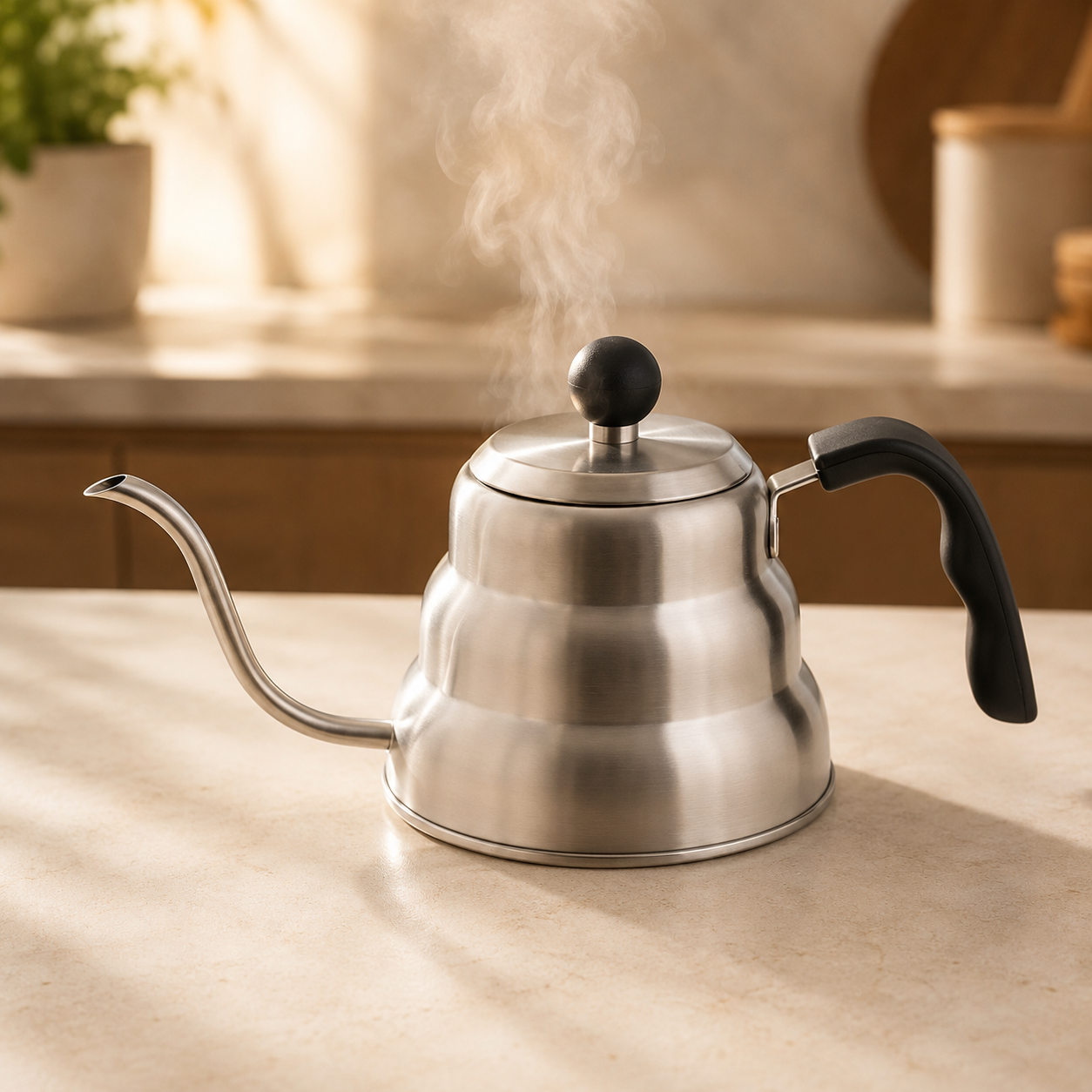
Heat filtered water until it is near boiling, then let it rest for 30 to 60 seconds.
The ideal brewing range is about 195°F to 205°F. This is also the temperature guidance used on the current Cardiology Coffee brew guide. (Cardiology Coffee)
Water that is too cool can make coffee taste flat. Water that is too hot can make it taste harsh or bitter.
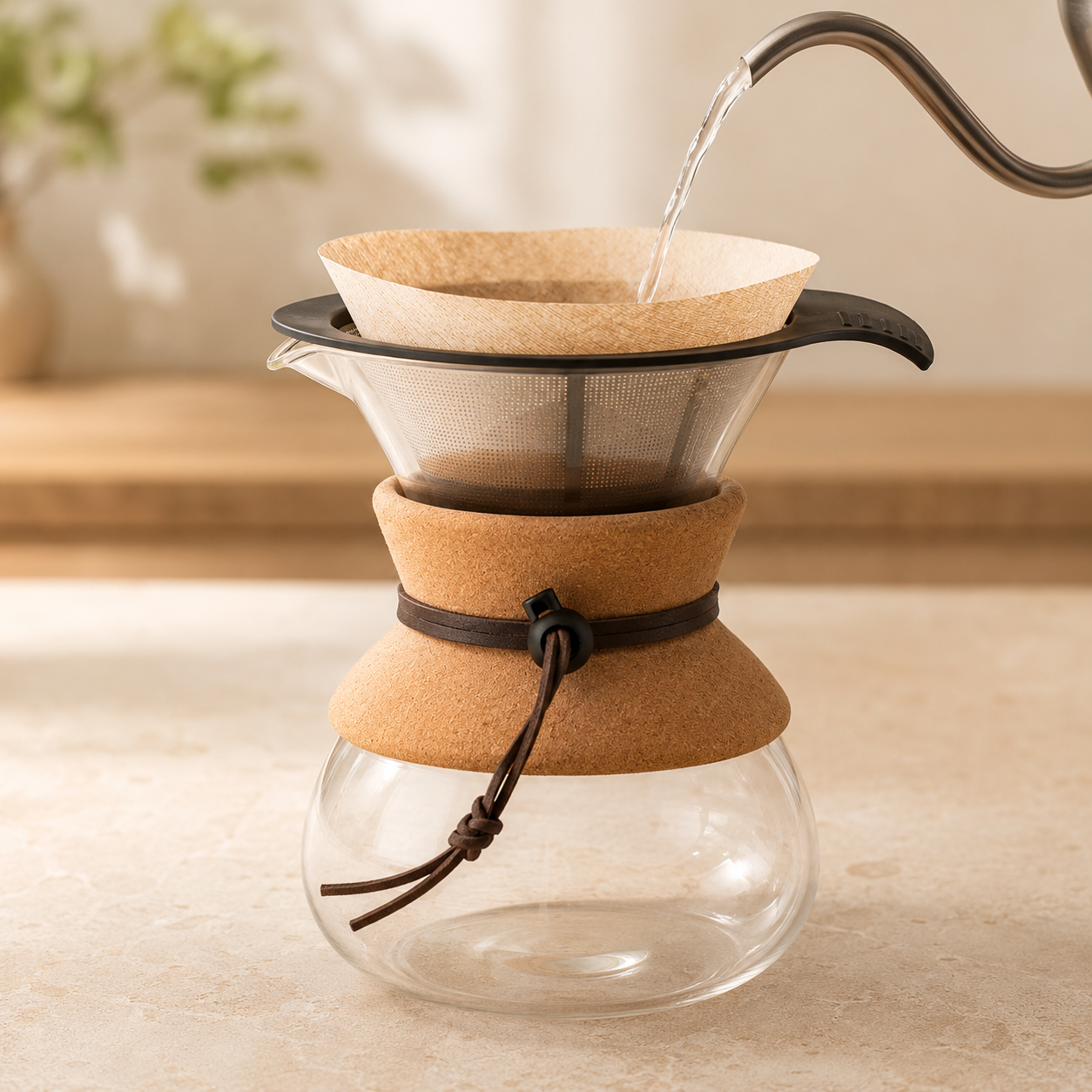
Step 3: Set Up Your Filter
Place the metal filter into the glass carafe.
Then place an unbleached paper filter inside the metal filter.
Pour a small amount of hot water through the empty paper filter before adding coffee. This helps rinse the paper and warm the brewing setup.
Discard the rinse water before brewing.
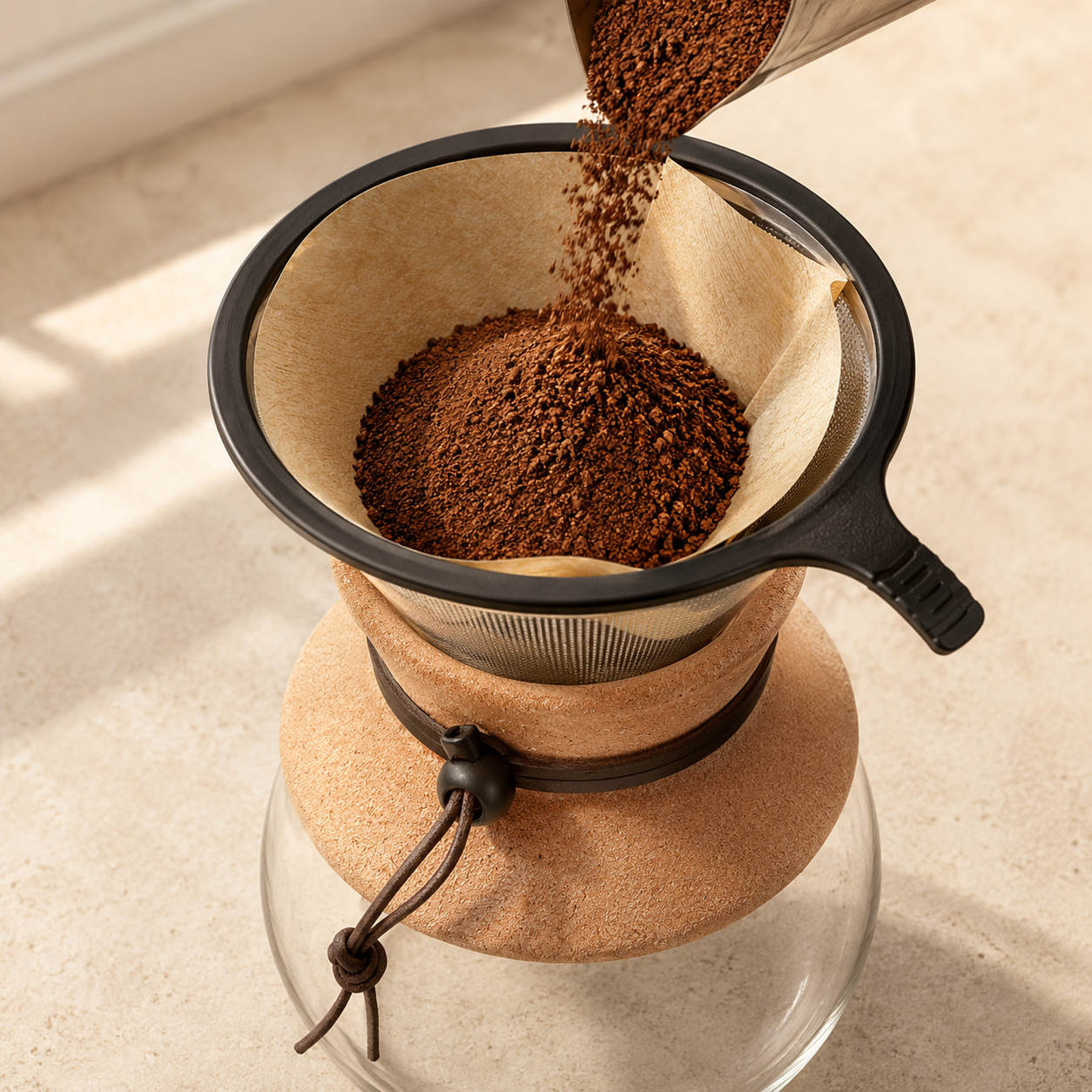
Step 4: Add Your Coffee Grounds
Add your freshly ground Cardiology Coffee to the filter.
Spread the grounds evenly so the water can pass through the coffee at a consistent pace.
This helps create a smoother, more balanced cup.
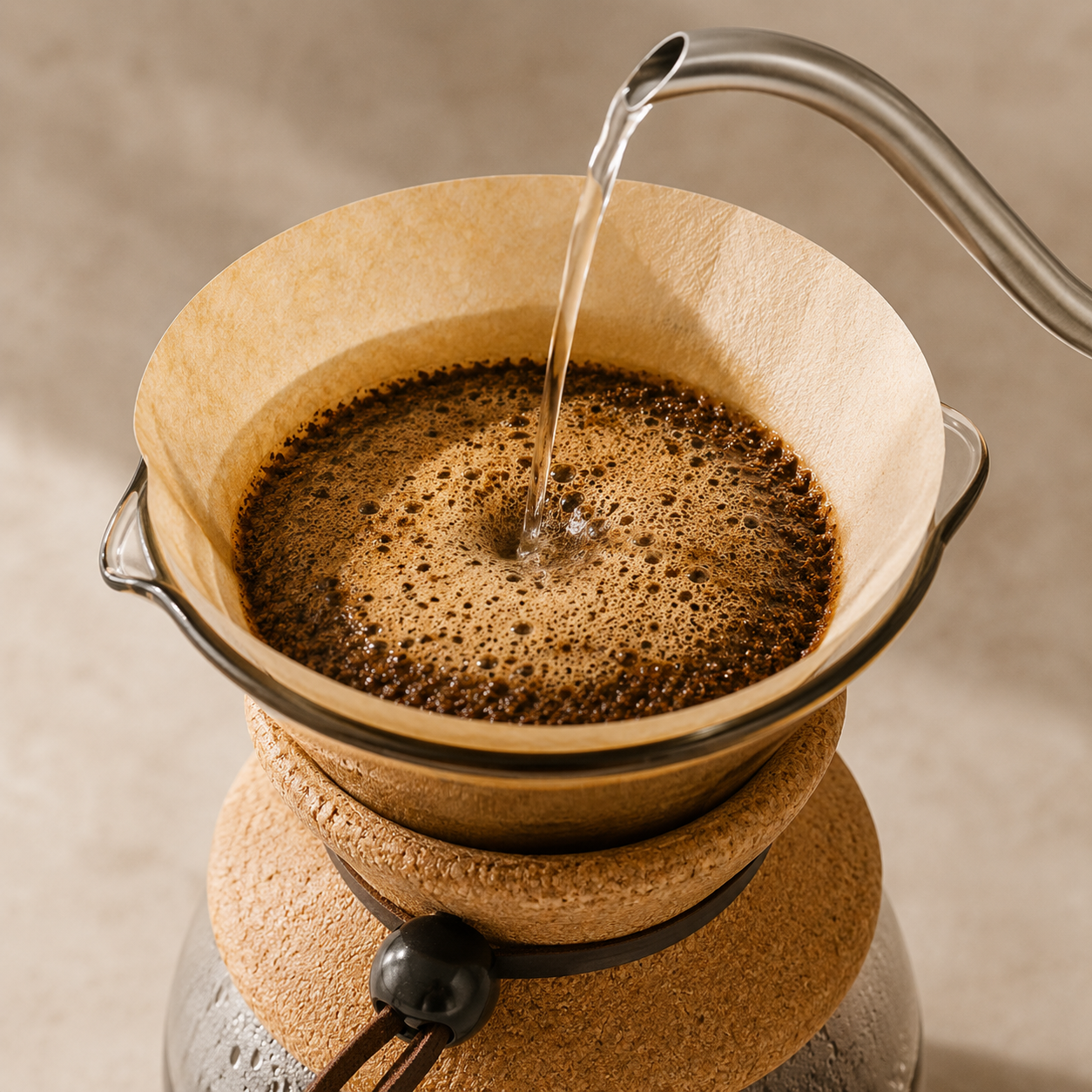
Step 5: Let the Coffee Bloom
Pour a small amount of hot water over the grounds.
Use just enough water to wet the coffee.
Then wait 30 to 45 seconds.
This is called the bloom. It allows trapped gases to release and prepares the grounds for a better extraction.
Small step. Big difference.
Step 6: Pour Slowly
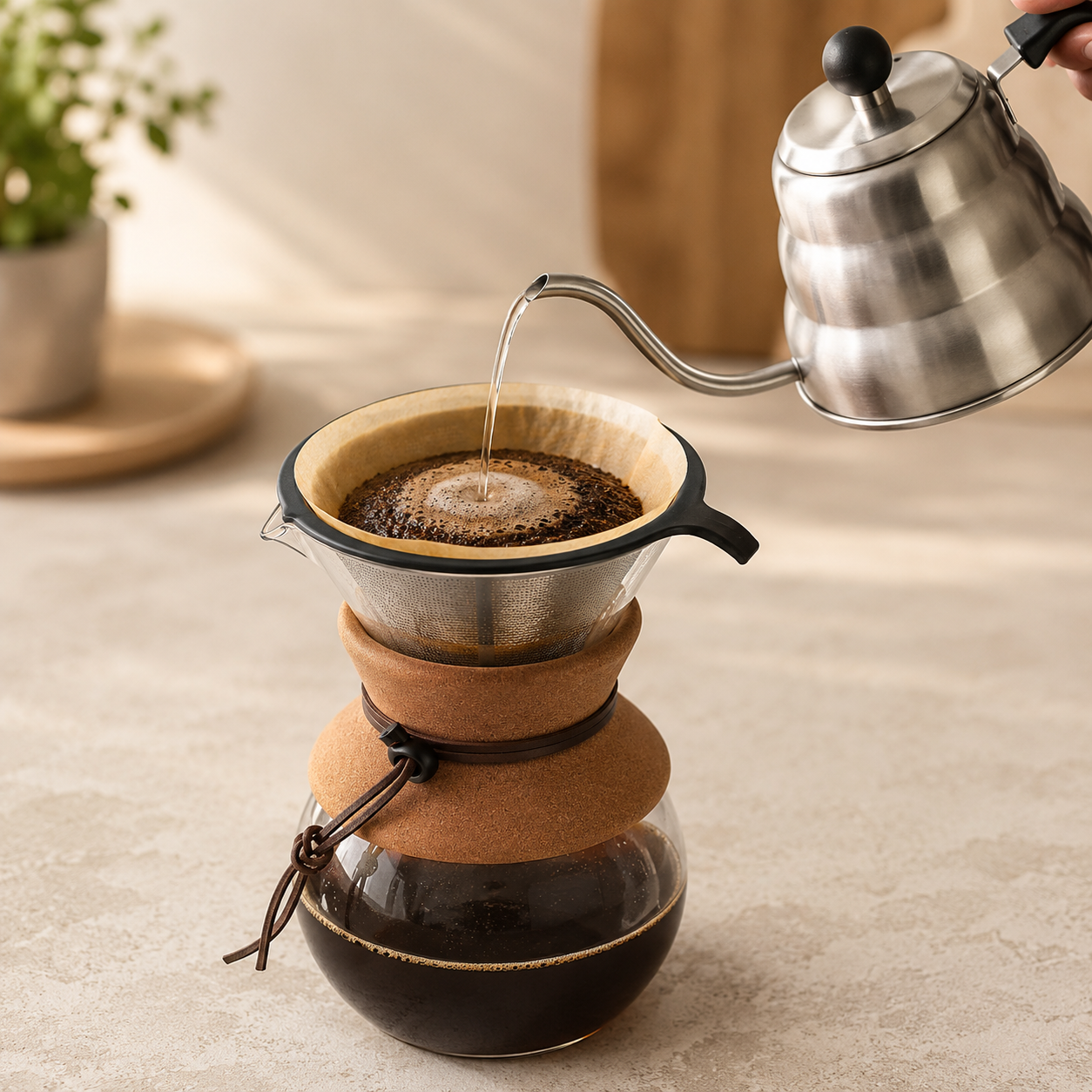
After the bloom, slowly pour the remaining water over the grounds in a circular motion.
Start in the center, move outward, then come back toward the center.
Do not rush this part. The slow pour is what helps pull out the flavor, aroma, and richness.
Aim for a total brew time of about 2 to 3 minutes.
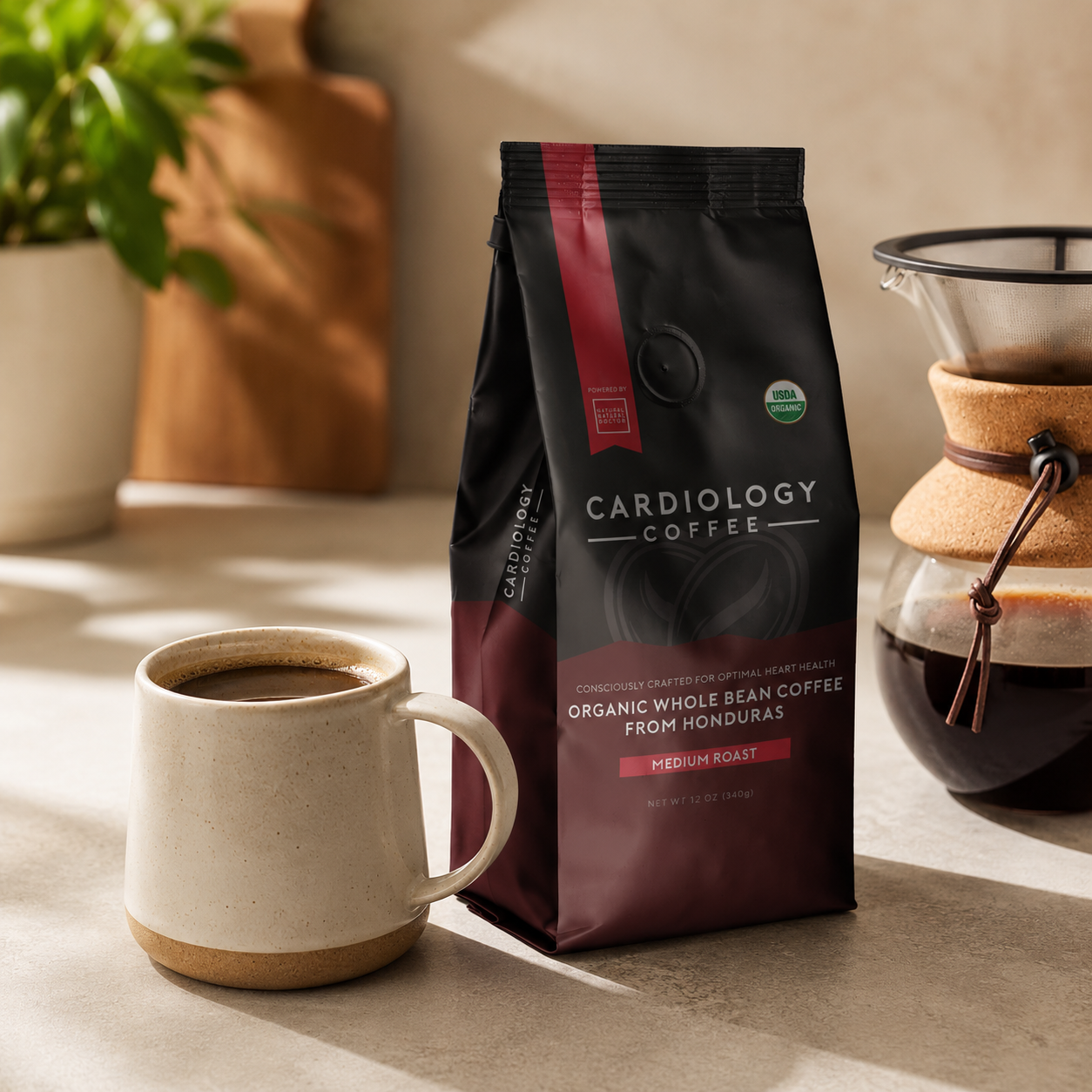
Step 7: Enjoy It Clean
Once the coffee has finished dripping, remove the filter and pour your coffee into your favorite mug.
Dr. Jack recommends keeping it simple.
No sugar.
No artificial creamers.
No chemical-filled add-ins.
If you add anything, choose clean ingredients that work for your body.
A Few Details That Make a Better Cup
-
Tip 1: Use Filtered Water
Coffee is mostly water, so water quality matters.
Filtered water helps protect the flavor of your coffee and keeps unwanted tastes from chlorine or other impurities out of your morning cup.
The current brew guide already emphasizes that water quality affects taste and recommends filtered water over tap water. (Cardiology Coffee)
-
Tip 2: Avoid Plastic When Possible
Hot water and plastic are not an ideal combination.
That is why Dr. Jack prefers glass, ceramic, and stainless steel for brewing.
Your coffee should touch clean materials before it touches your body.
The current brew guide already recommends using glass, ceramic, or stainless steel options instead of plastic coffee makers. (Cardiology Coffee)
-
Tip 3: Dial In Your Grind
If your coffee tastes bitter, your grind may be too fine or your brew time may be too long.
If your coffee tastes weak or sour, your grind may be too coarse or your brew time may be too short.
For pour-over, start with a medium grind and adjust from there.
One More Clean Kitchen Upgrade
Your coffee setup is a great place to start.
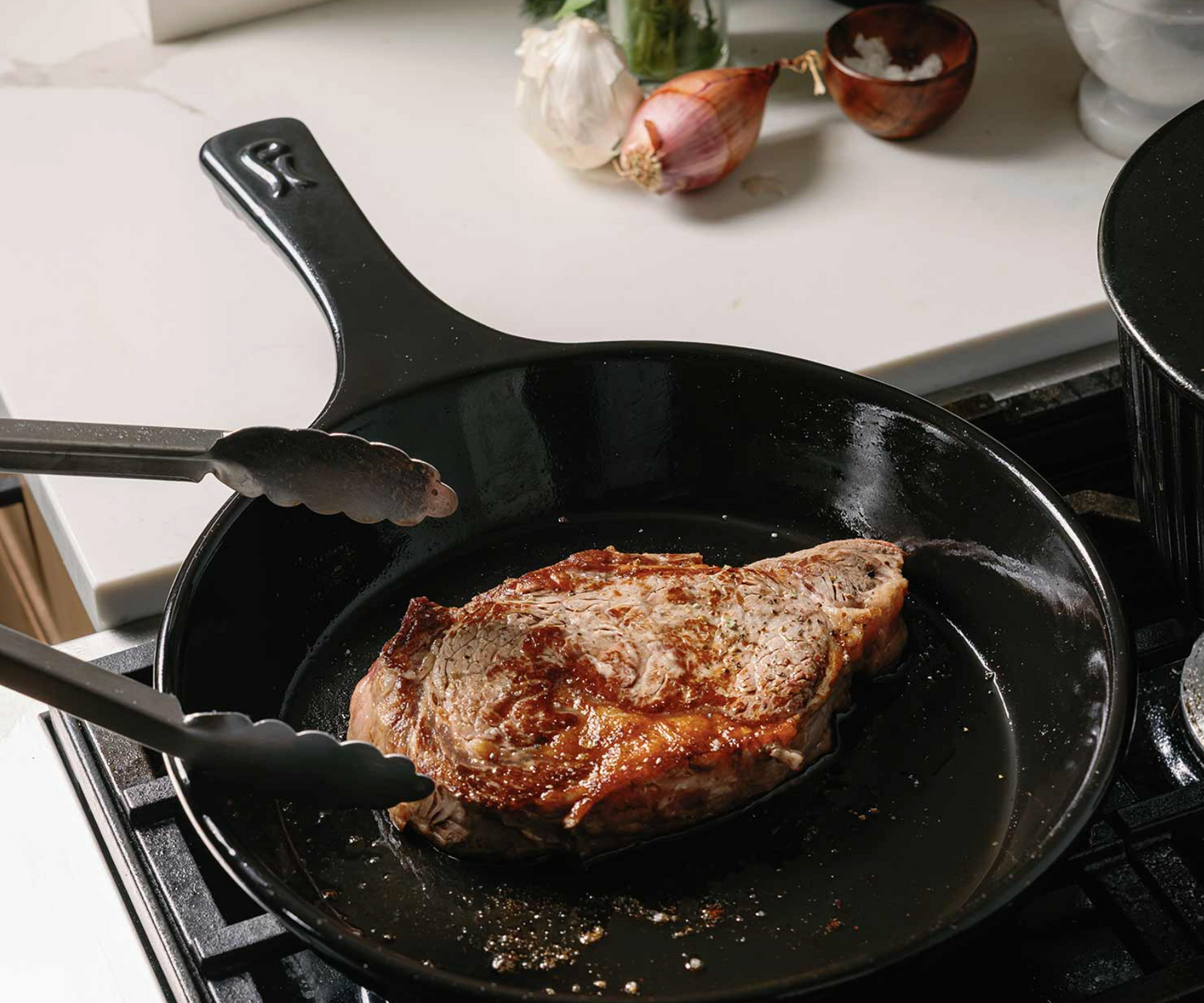
For other cooking needs, Dr. Jack also recommends Xtrema Cookware for people who want to be more intentional about the materials they use in the kitchen.